Glossary
The portion of the match where no external input to the robot is allowed. It must use only sensors like encoders, gyro, and camera to navigate the field. Usually 15 seconds long.
The interface that we use to communicate with the motor controllers and pneumatics. On the robot, it goes over two yellow and green wires that are twisted together.

Only using encoder/gyro feedback to make the robot follow a path. Basically, not using vision in auto. Requires precise alignment and measurements to get right.
The term used for the motors and wheels that move the robot.
- Tank: Simplest drivetrain style. One row of wheels on each side, geared together. Turns by spinning the sides opposite directions. Can have Omni wheels to make turning easier. Pros: simple, robust, easy to control, max pushing power, fastest straight line speed. Cons: Lower maneuverability, can be pinned if caught sideways, can only use 2 sides of robot effectively for mechanisms.
- Mecanum: uses 4 independently driven wheels with angled rollers to achieve omnidirectional motion. Pros: Maneuverable, relatively simple. Cons: hard to control, easy to push, slow, wastes power, requires 4 gearboxes instead of two.
- Swerve: Uses 4 (or 3 or n) independently rotating wheel modules for fully omnidirectional motion. Pros: ultimate maneuverability, fast, really cool. Cons: very complex and expensive, requires 8 motors, higher risk of failure.
An encoder keeps track of how many times a motor has gone around, and sends that information back to the roboRIO. It can be used to accurately drive to exact distances and at exact speeds.

A sensor that tells the current angle of the robot.
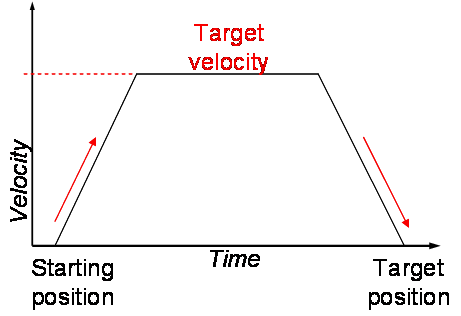
A way of automagically generating and using motion profiles on the Talon SRX.
A way of controlling the motion of a part taking into account time and power needed for acceleration, deceleration and cruise.
(CAN)Talons or motor controllers are used to convert a weak signal that indicates the power to send to a motor into the actual power sent to the motor. Many controllers also have more advanced features, like Motion Magic ™️.

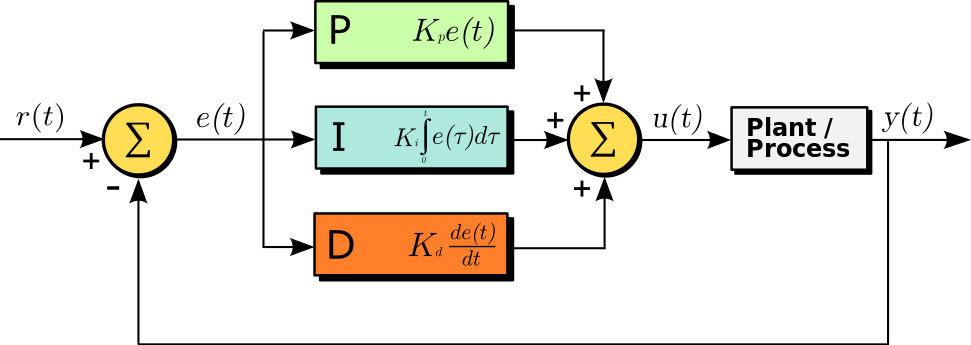
A PID loop is used to control the various mechanisms on the robot in a smoother way. It prevents overshoot (going too far past your target) and undershoot (falling short of your target). It consists of three terms, the Proportional, Integral, and Derivative. Read more on Wikipedia.
Controls all the pneumatics on the robot by switching solenoids on and off.

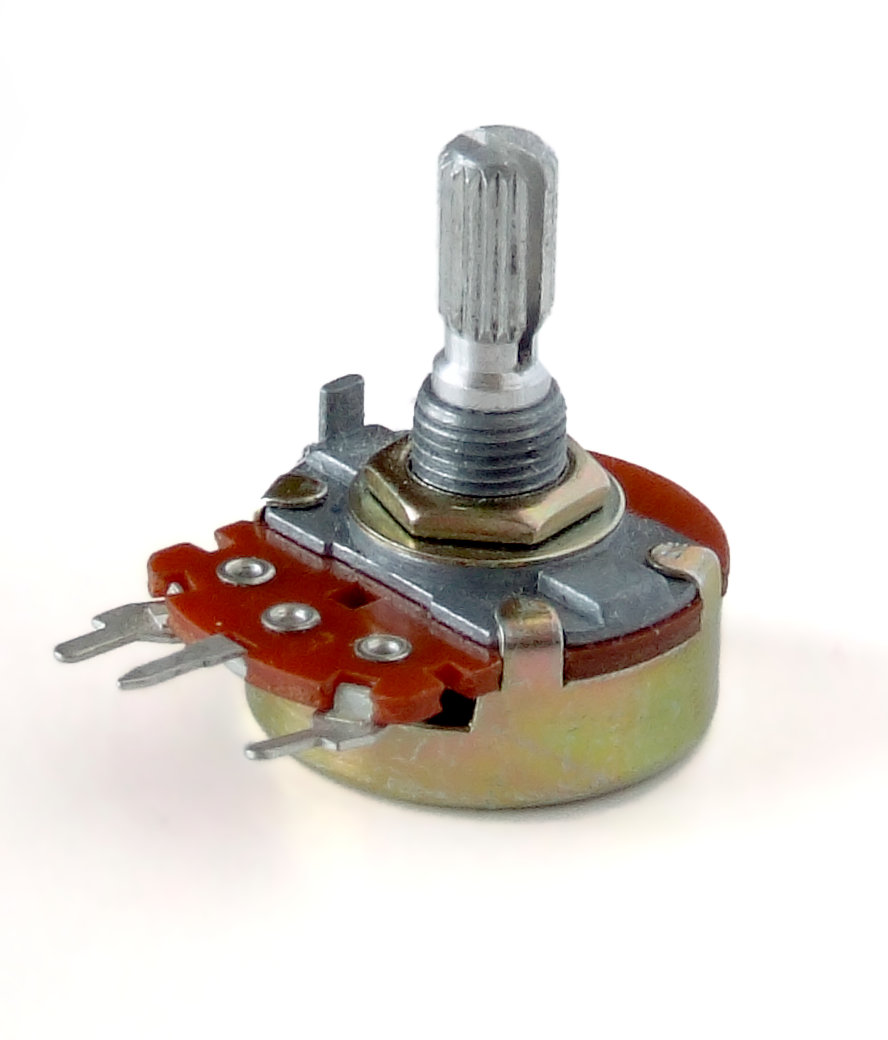
A sensor that can tell the angle of some part of the robot, like an arm or turret. Unlike an encoder, it stores an absolute position. For example, 0 degrees will always be the same position even if the robot is power cycled. However, they can only rotate a limited distance.
A single board computer running Linux. We used one for vision processing in the 2017 season.

The roboRIO is the brains of the robot. It runs the primary robot code and sends signals to the motor controller.

An electronic valve that is switched on and off by the PCM to operate pneumatic cylinders on the robot.

The portion of the match where drivers are allowed to use joysticks to control the robot. Usually 2:15.
Using a camera on the robot to track game objects.