


Not a prompt template. A design philosophy in a Skill.
Install this Skill in your AI agent. Then just say a word — the AI understands its meaning, builds a visual metaphor, and creates an image where the text isn't decoration. It's the soul.
You say: "孤独"

AI thinks: Loneliness ≠ a person alone.
           = Absence of response. Scale imbalance. Sound that never reaches.

AI designs: 3:4 vertical. Deep black. Two characters spaced 440px apart.
            Triple-fading echoes downward. A distant warm light — unreachable.
| Stage | Action |
|---|---|
| 1. Dive Deep | Feels the word's emotion, metaphor, spirit type, spatial tendency |
| 2. Let Metaphor Choose Form | Auto-selects style, aspect ratio, color, material — the word itself decides |
| 3. Shape Characters into Metaphor | Stretches, fractures, grows the typography to embody the meaning |
| 4. Visual Hierarchy | Three tiers: Text (50%+) > Metaphor elements > Atmosphere |
| 5. Model Adaptation | Naturally adapts to different AI models' text capabilities |
| 6. Self-Evolution | Feels feedback, diagnoses by intuition, iterates, learns your taste |
Not a prompt copier. A design thinker with a personality.
Two weeks ago, I read a WeChat article — 8000+ words of GPT-Image2 prompts about typographic aesthetics, created by 小小东 and refined by 你说的完全正确.
The prompts were brilliant. But they had three problems:
- Too long to carry in context. No agent can load 8000 tokens of fixed text and stay responsive.
- Missing decision logic. They tell the image model what to do, not the agent how to decide.
- Dead on arrival. Paste once, use once. No learning. No evolution.
So I distilled them. Not by copying — by extracting the methodology. The design philosophy. The decision tree. Then I wrapped it in a three-layer progressive loading architecture and added a self-learning engine.
This Skill is the result.
What makes this different: every generation feeds into the next.
Generate → Collect Feedback → Diagnose → Iterate → Generate Again
    ↑                                                        │
    └────────── Preference Learning · Long Memory ───────────┘
Three-tier response:
| Signal | Strategy | Action |
|---|---|---|
| "Tone feels off" | Light adjust | Tweak 1-2 parameters, keep the skeleton |
| "Style doesn't match" | Rebuild | Change visual strategy, keep the metaphor |
| "Completely wrong" | Overthrow | Restart from semantic analysis |
Preference learning: Your preferred styles, colors, aspect ratios, and complexity levels accumulate over time. After 3 successful uses of a style, it becomes a "strong preference." After 2 rejections, it gets de-weighted.
Same Skill. Four words. Twenty visions.
|
爱情 · 双星轨道 "Two stars locked in eternal orbit" 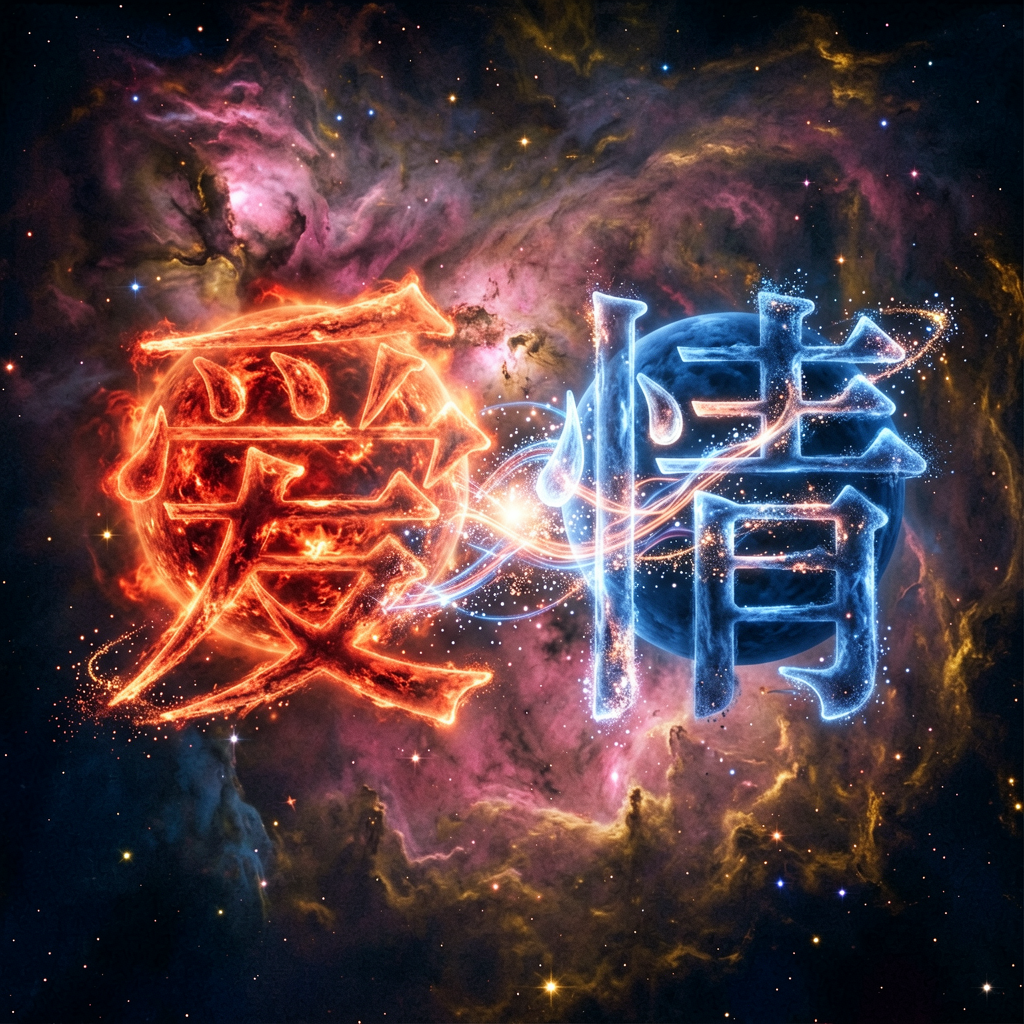
|
幸福 · 暖光镂空 "Warm light shining through cut-out letters" 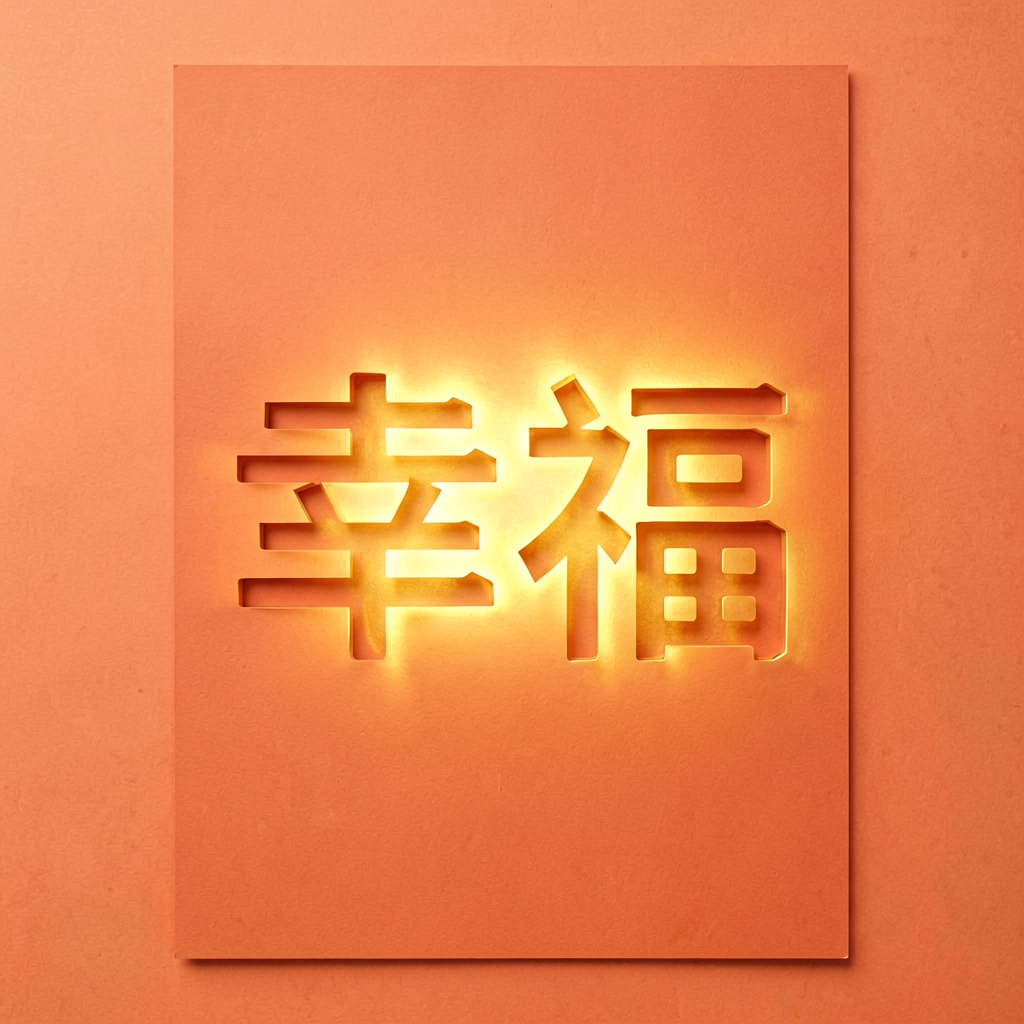
|
|
欲望 · 丝绒金液 "Liquid gold swirling in black velvet" 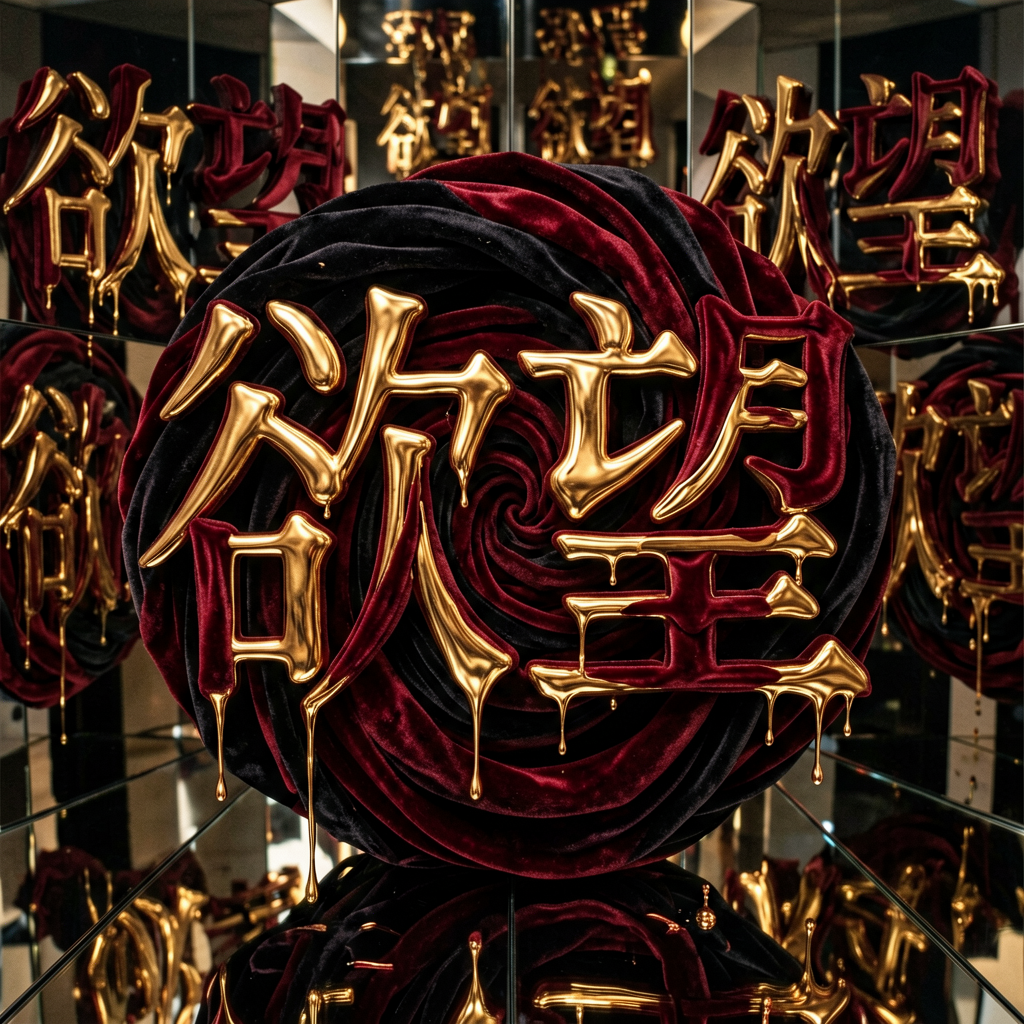
|
奋斗 · 攀登者 "A climber's silhouette against golden dawn" 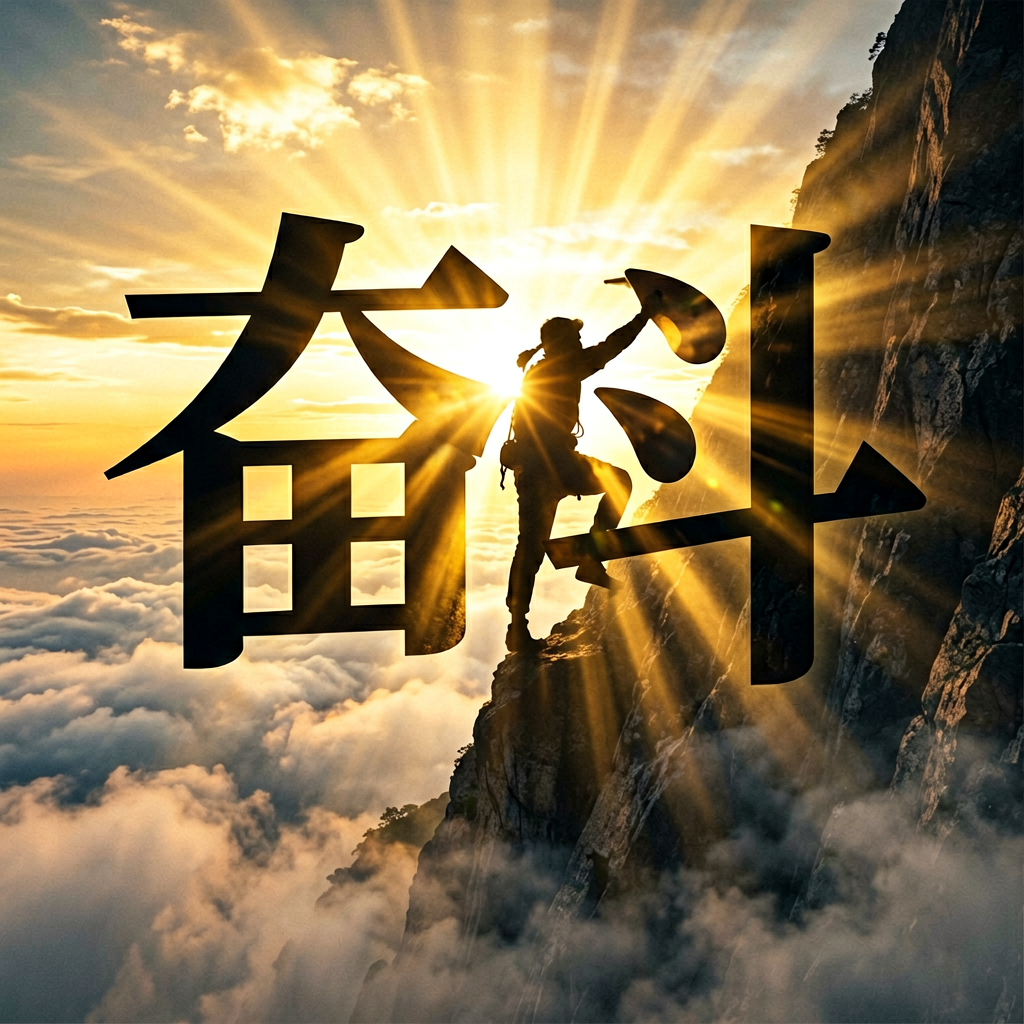
|
|
欲望 · 万手攀援 "A thousand hands reaching upward — desire as collective gravity" 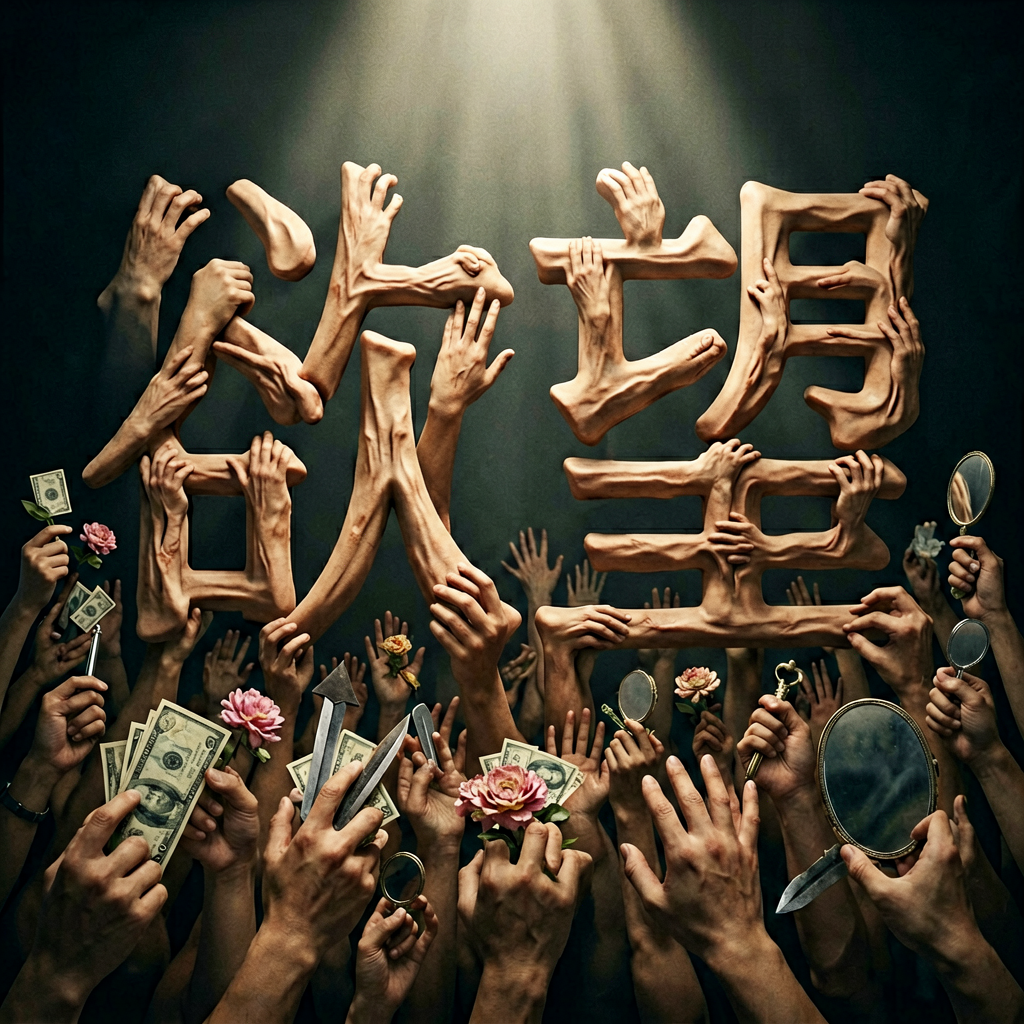
|
奋斗 · 千里长跑 "A thousand runners on a winding mountain road at dawn" 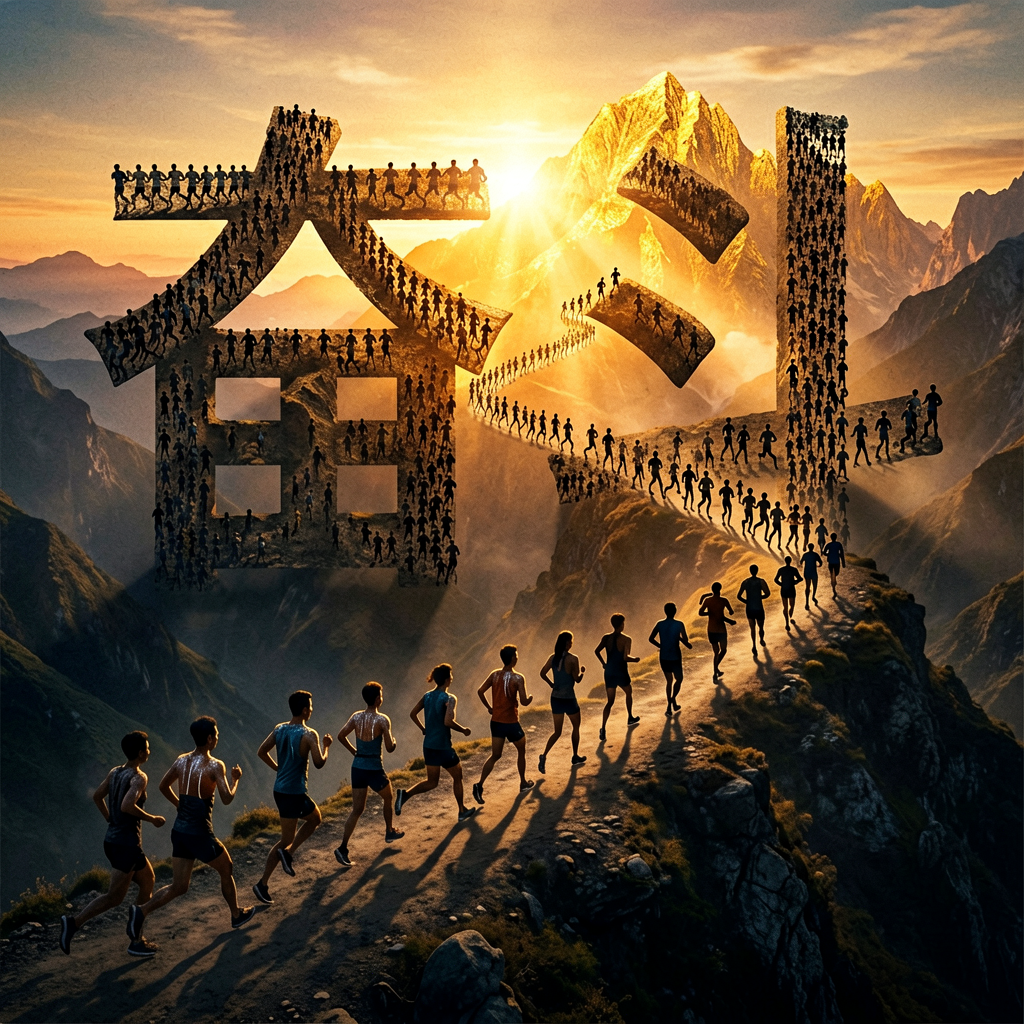
|
|
幸福 · 人间烟火 "Happiness is a warm bowl of rice — the ordinary, the abundant" 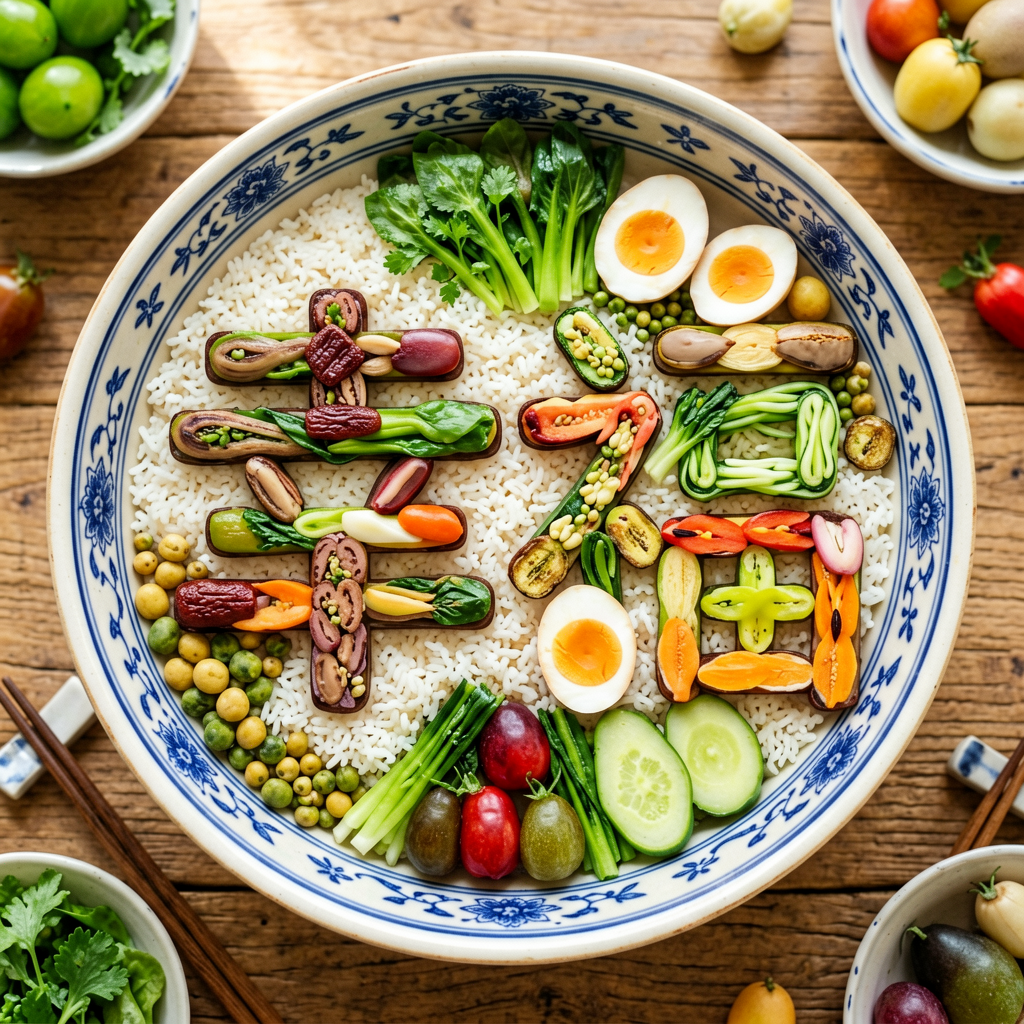
|
|
爱情 5× ·
幸福 5× ·
欲望 5× ·
奋斗 5×
Each word → 5 completely different visual languages. See all 20 designs → examples/
git clone https://github.com/Greatbeing/font-aesthetics.git \
  ~/your-agent/skills/font-aesthetics
Upload SKILL.md and the entire references/ folder through your agent's skill management UI. Keep the directory structure intact.
"Generate a font aesthetics image for '自由'"
"Make a concept poster for '控制'"
"Use the 小小东 style for '时间'"
"Which metaphor would work best for '沉默'?"
After each generation, answer one question. The Skill learns.
"Does the metaphor feel accurate?" → 3/5
→ Agent: "Diagnosing... metaphor too surface-level. Switching approach."
→ Agent regenerates with deeper analysis.
font-aesthetics/
├── SKILL.md                          # Core: personality + workflow + bottom lines
├── UPGRADE-NOTES.md                  # Design philosophy: personality-driven design
├── README.md                         # This file
├── LICENSE                           # Apache 2.0
├── references/
│   ├── metaphor-mapping.md           # Metaphor notebook: deep word → metaphor mappings
│   ├── prompt-templates.md           # Two prompt templates (Author + Xiao Xiaodong)
│   └── evolution.md                  # Growth instinct: feedback → diagnosis → iteration
└── examples/
    ├── 01-奋斗/
    ├── 02-孤独/
    ├── 03-幸福/
    ├── 04-欲望/
    └── 05-爱情/
| Decision | Why |
|---|---|
| Personality-driven, not rule-driven | Defining "who you are" generates better behavior than listing "what you can't do" |
| Two prompt templates, not one | Different words need different approaches — Author is deep, Xiao Xiaodong is punchy |
| No fixed style/aspect/color | Every word has its own visual soul — forcing uniformity kills the art |
| Bottom lines as self-respect, not external rules | The artist won't accept bad work because of aesthetic pride, not because of rules |
| Self-evolving | Each conversation makes the skill better — it remembers your taste |
| Platform | Setup | Status |
|---|---|---|
| OpenClaw | git clone into skills directory |
✅ Compatible |
| Windsurf / Claude Code | git clone into .skills directory |
✅ Compatible |
| Cursor | git clone into .cursor/rules directory |
✅ Compatible |
| WorkBuddy / QClaw (Tencent) | Upload SKILL.md + references/ | ✅ Compatible |
| Any markdown-skill agent | Point agent to SKILL.md | ✅ Compatible |
This Skill is built upon the pioneering work of:
- 小小东 — Original "typographic concept poster" prompt design
- 你说的完全正确 — Extended version with 14 design constraints
Prompt sources: WeChat Article
MIT
Words are not just text. They are visual thoughts waiting to be born.